 DL Marketing
Walk into a high-volume disability law firm and you'll notice something different. Not the office layout or the number of desks. The difference is in how the team works together. Staff focus on clients instead of chasing paperwork. Paralegals spend their time on complex case preparation, not repetitive portal checks. The phones ring, but not because clients are wondering what's happening with their claims.
Small firms see this and assume it's about resources. More staff. Bigger budgets. Years of accumulated systems and processes that took decades to build.
That assumption is understandable, but it misses the real story.
The operational gap between high-volume SSD practices and small firms is real. Firms handling 2,000+ cases do operate differently than firms handling 150. But the difference isn't just about size. It's about how these firms have organized people, process, and technology to work together. They've discovered that the right infrastructure doesn't replace good staff—it makes good staff even better.
Here's what high-volume firms actually do differently.
1. They Free Staff From Manual Portal Monitoring
High-volume disability firms don't ask their paralegals to log into the SSA's Electronic Records Express portal to see if something new arrived. They don't pass around two-factor authentication codes. They don't assign someone to "check ERE" as a daily task because that's not the best use of skilled staff time.
At Martin, Jones & Piemonte, paralegals were spending "probably five or six hours per week per paralegal, just checking the ERE." That's five hours per paralegal, per week, spent on repetitive clicking that any automated system can handle. At the Law Office of Nancy L. Cavey, the number was worse: "Each paralegal was probably spending 15 to 20 hours per week in the ERE."
High-volume firms realized those hours represent their team's expertise being wasted on tasks that don't require human judgment. So they implemented automated monitoring that checks the portal continuously and notifies staff when something arrives.
The result? Those same paralegals now spend their time on work that actually requires their skills: reviewing medical evidence, preparing hearing summaries, communicating with clients about case strategy. The monitoring still happens; it just happens automatically, freeing the team to do what they do best.
2. They Enable Staff to Reach Clients First
Here's something small firms rarely experience: calling a client to tell them their case was approved before they receive the letter from SSA.
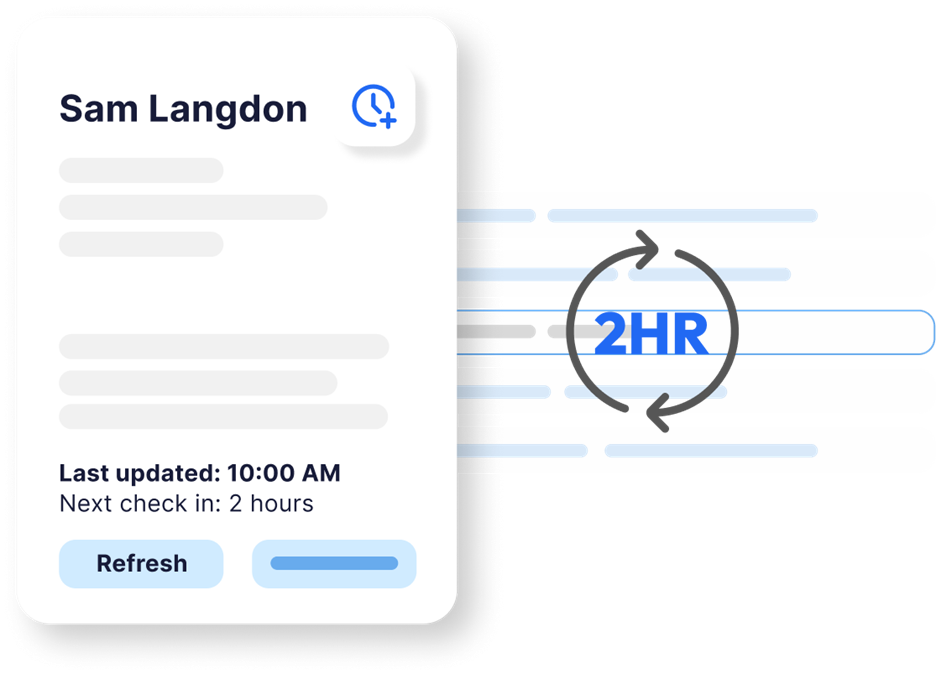
High-volume firms do this routinely. Their systems surface decisions, denials, and status changes within hours of SSA posting them. Staff can reach out proactively, making that personal call to share good news or explain next steps. By the time the official letter arrives, the client already knows what's happening because their attorney's team told them.
William Viner at Viner Disability Law described what the alternative looks like: "We would receive calls from our clients telling us they'd been approved or denied. That doesn't look very good professionally."
That's the reactive mode most small firms operate in. Staff scramble to check the portal after a client calls. Conversations happen from a position of catching up rather than leading. The client feels informed last instead of first.
When firms equip their staff with real-time information, those same team members can deliver a fundamentally better client experience. The knowledge is the same; it's just available when it matters most.
3. They Empower Teams to Handle More Cases Without Burning Out
The math seems obvious: more cases require more work. If you want to handle twice as many clients, someone needs to do twice the work. Growth means pressure.
High-volume firms found a different path. Not by doing more with fewer people, but by removing the busywork that drains their teams.
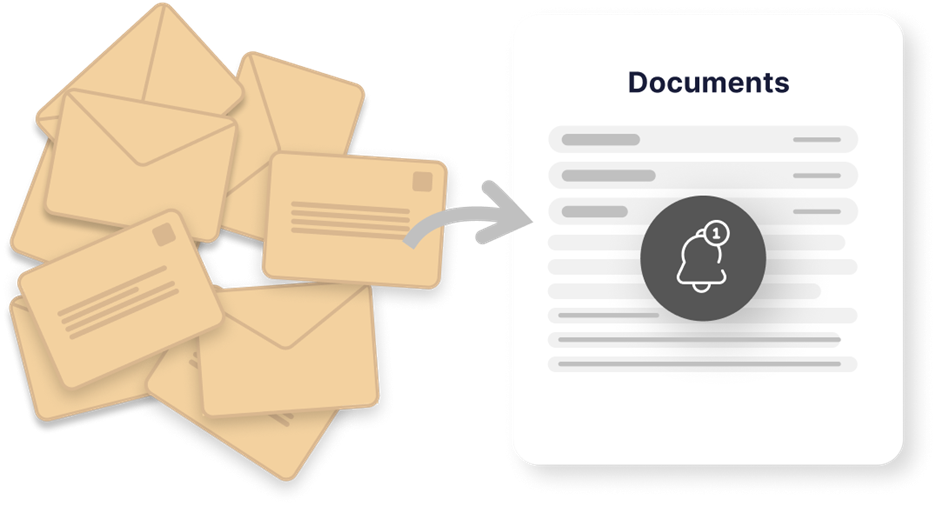
The Disability Champions grew from 900 to 3,000 active cases. That growth didn't come from pushing their staff harder. It came from identifying the repetitive administrative tasks—scanning mail, distributing documents, checking portals, updating statuses—and letting technology handle those, so their people could focus on clients.
Al Frevola explained the philosophy: "We were wasting 80 to 90 man hours a week doing things a machine should handle." Those weren't strategic hours. They were hours spent on work that didn't require human judgment, creativity, or client relationships. Reclaiming them meant his team could invest their energy where it actually mattered.
At the Law Office of Nancy L. Cavey, the firm faced a choice: hire another paralegal to handle growing caseload, or find a way to give their existing team the capacity they needed. They chose infrastructure not to replace the third paralegal, but to ensure their current paralegals could do their highest and best work without drowning in administrative overhead.
Viner Disability Law handles 400-500 active cases with a small team: one attorney and three staff. William Viner credits the right systems with giving his team breathing room: the equivalent of "at least another 50% to 75% of a paralegal" in capacity. That's not a replacement; it's amplification. The same skilled people, doing more meaningful work.
High-volume firms discovered that sustainable growth comes from supporting your team, not stretching them thin.
4. They Give Staff Confidence on Deadlines
This one sounds basic. Every firm tracks deadlines. Every firm has calendars and reminders and processes to make sure nothing slips.
But high-volume firms track differently. Instead of relying on someone remembering to enter a date, or depending on staff noticing a hearing notice in the mail, they have systems that extract deadlines directly from SSA documents and generate alerts automatically.
The difference isn't that technology replaces human judgment on deadlines. It's that technology handles the data entry and tracking, so staff can focus on actually preparing for those deadlines.
At smaller firms, deadline management often depends on heroic effort. Someone staying late to double-check. Someone with an exceptional memory holding it all together. That works until they take a vacation, get sick, or leave—and then the institutional knowledge walks out the door with them.
High-volume firms support their people with systems that catch what humans might miss. Staff still make the strategic decisions about case preparation and deadline prioritization. They just don't have to worry about whether a date was entered correctly or a notice was overlooked.
5. They Give Teams Visibility Instead of Anxiety
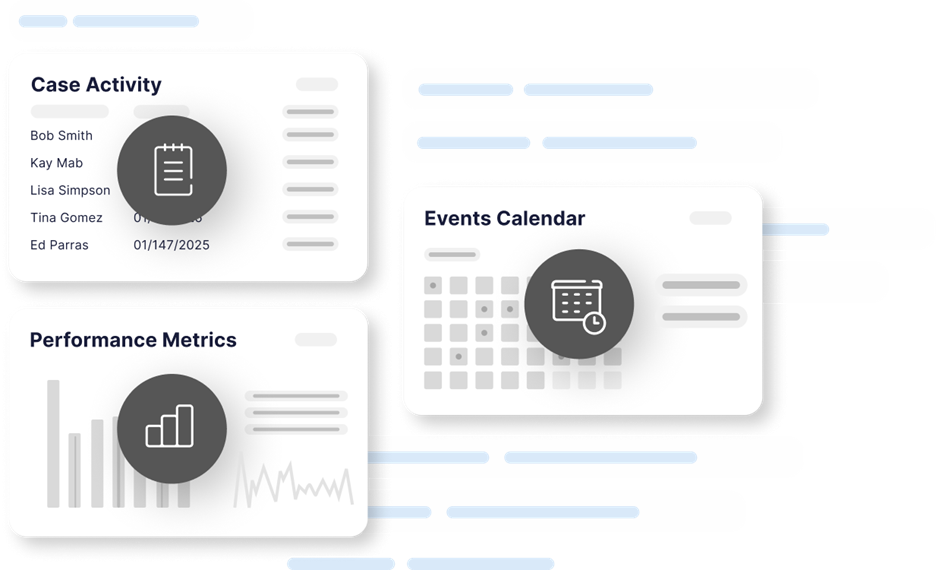
Ask someone at a high-volume firm how many cases are at hearing level right now. They'll tell you in seconds. Ask which cases have new documents that need review. Same answer. Ask what's due this week. Instant visibility.
Ask the same questions at a manual-process firm and you'll wait. Someone needs to check. Someone needs to pull a report. Someone needs to ask around. That uncertainty creates stress not just for firm leadership, but for the entire team.
Michele Marois at Anderson Marois & Associates described what visibility feels like: "I sleep better knowing where every single file is."
That's not just about management. It's about giving every team member the information they need to do their jobs confidently. When a paralegal can see their entire caseload organized and current, they don't have to wonder if something fell through the cracks. When an attorney can check case status instantly, they can focus on client conversations instead of status hunting.
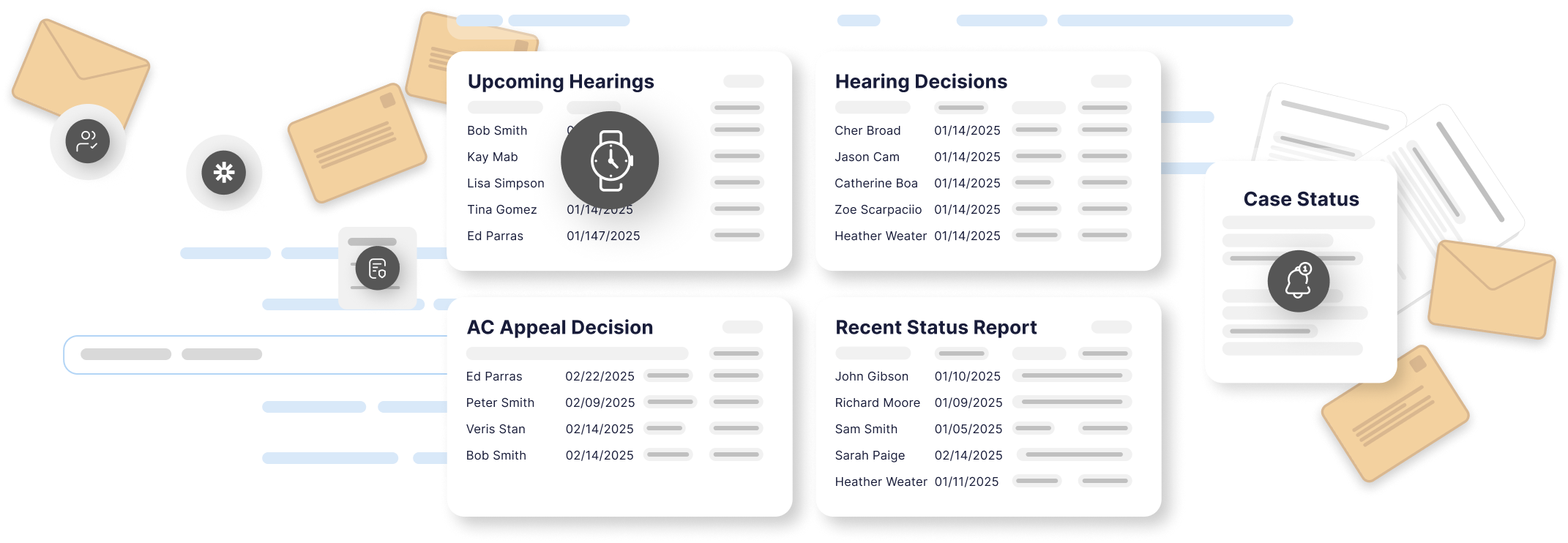
High-volume firms run on dashboards that show case status across the entire caseload. Which cases are stuck. Which have activity. Where attention is needed. The dashboard doesn't require anyone to compile it; it exists because the underlying systems generate it continuously.
Small firms often operate on institutional knowledge instead. The senior paralegal who knows where everything is. The attorney who keeps the status of key cases in their head. That model puts enormous pressure on key individuals and creates fragility when those people aren't available.
Giving the whole team visibility isn't about removing expertise; it's about supporting everyone with the information they need to excel.
What High-Volume Firms Figured Out
Everything described above comes down to one insight: the best firms use technology to support their people, not replace them.
The paralegals at high-volume firms aren't less important because they don't manually check ERE. They're more valuable because they spend their expertise on case strategy, client communication, and hearing preparation. The monitoring that used to consume their hours now happens automatically, freeing them to do work that actually requires human judgment.
The same pattern holds across every operational difference. Real-time alerts don't replace the person who calls the client—they make that call possible. Deadline tracking doesn't replace the paralegal who prepares for hearings—it ensures they know about every hearing in time to prepare well. Dashboards don't replace institutional knowledge—they democratize it across the team.
High-volume firms figured out that people, process, and technology work best together. Technology handles the repetitive. People handle the complex. Processes connect them.
What This Means for Your Firm
The five differences outlined above aren't just for large practices. They're achievable at any size—because they're not really about scale. They're about how you support your team.
The firms mentioned throughout this piece, from The Disability Champions at 3,000 cases to smaller practices, all discovered the same thing: the right infrastructure makes your people more effective, not less essential.
SAM G Enterprises handles 160-170 active cases as a small family operation. J. Shay Guess calls his infrastructure "our lifeline for our business." But the lifeline isn't replacing his team—it's supporting them. As he puts it: "It took all the manual labor and automated it," freeing his team to focus on what matters.
Leanne Hernandez at Disability Advocates LLC runs about 120 cases with two case managers. She noticed the breaking point clearly: "It wasn't as bad at 50 or 75 cases. But once we hit 100–125, it became more and more cumbersome..." The right infrastructure solved that by giving them the tools to handle it confidently. Her assessment now: "Everything is faster. Everything's easier."
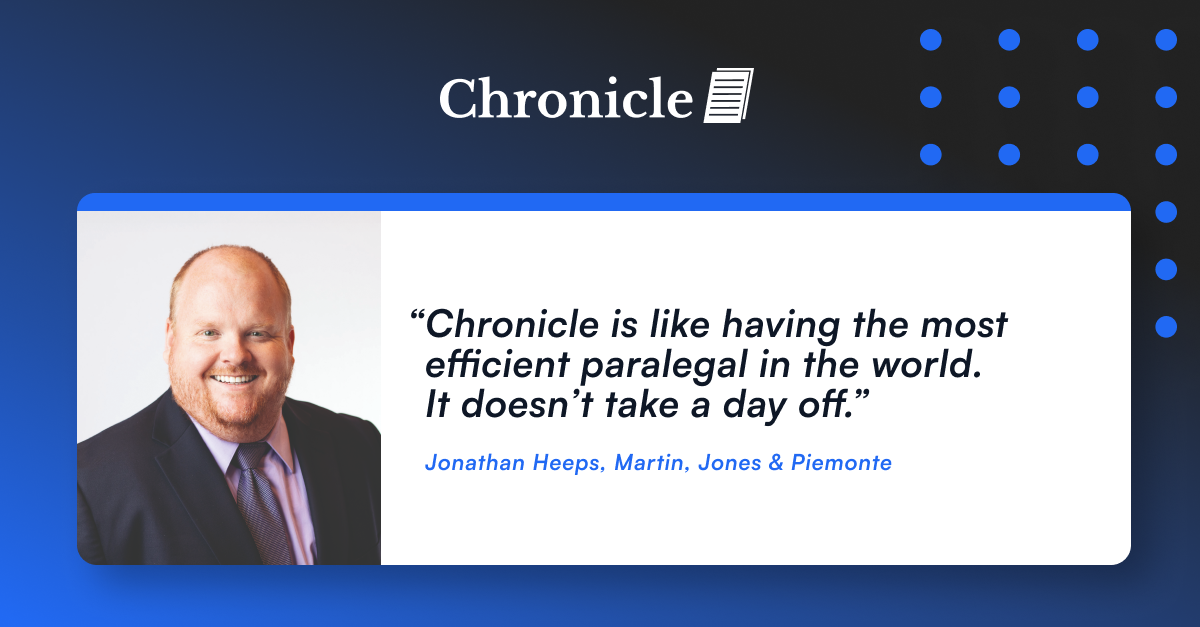
Jonathan Heeps at Martin, Jones & Piemonte summarized it well: "Chronicle is like having the most efficient paralegal in the world...It doesn't take a day off. It gives you all the information you need immediately."
That's the model high-volume firms have proven. Technology that supports. People who excel. Processes that connect them.
If your team is spending too much time on repetitive administrative tasks and not enough time on the client relationships and case strategy that actually matter, the operational shift is available now. Not to replace your people, but to empower them.
The gap between high-volume and small firms was real. It's closing with one supported team at a time.
Ready to empower your team? Learn more about Chronicle and see how firms of every size are transforming their operations while keeping people at the center.



 Home
Home