

Social proof is one of the most powerful tools in building trust with potential clients. In the context of Social Security Disability law, where clients are facing significant life challenges, the experiences and testimonials of others carry substantial weight in their decision-making process.
However, not all social proof is created equal. In SSD, generic five-star reviews and vague testimonials often fail to convert because they do not address what potential clients are actually evaluating when they research law firms.
In this article, we will explore why social proof matters differently in SSD than in other industries, what potential clients are looking for in reviews and testimonials, and how to collect and display social proof that actually drives conversions.
Why Social Proof Works Differently in SSD
When someone is researching products or services online, they naturally look to the experiences of others to guide their decisions. This behavior is called social proof, and it is a fundamental aspect of human psychology.
But in SSD, the stakes are different. Potential clients are not evaluating you the way they would evaluate a restaurant or an electrician. They are not looking for the firm with the most stars or the highest number of reviews.
They are looking for evidence that someone like them successfully navigated this process and came out the other side with a positive outcome.
This is because SSD clients are typically:
· Dealing with pain or disability
· Out of work or struggling financially
· Overwhelmed by the complexity of the application process
· Afraid of making the wrong choice and losing more time
In this emotional state, generic testimonials that say things like 'Great service!' or 'Highly recommend!' provide little reassurance. They do not answer the questions potential clients are asking themselves.
What Are SSD Clients Actually Looking For in Reviews?
When potential SSD clients read reviews, they are evaluating three key things:
1. Will This Firm Take A Case Like Mine?
Many potential clients have been told by someone that their condition is too difficult to win with, or that they do not qualify, or that the process will take too long. They need proof that your firm takes cases like theirs.
This is why testimonials that mention specific conditions are so valuable. When someone with fibromyalgia reads a review from another client with fibromyalgia, they immediately think: 'This firm knows how to handle my situation.'
Example Of Effective Social Proof:
I was denied twice before I found this firm. I have fibromyalgia, and the first two firms told me it was hard to win with that condition. This firm took my case anyway. They got my medical records organized, got statements from my doctors, and prepared me for the hearing. It took 14 month,s but I was approved.
This testimonial tells potential clients that the firm handles denials, works with difficult conditions, and knows how to build a strong case.
2. Will This Firm Actually Communicate With Me?
One of the biggest fears SSD clients have is being ignored. They have already been ignored by the Social Security Administration, by doctors, and by insurance companies. They are terrified of hiring a law firm that will take their case and then disappear.
Reviews that address communication directly are highly effective. For example:
· They returned my calls the same day.
· I could text them and they would respond within a few hours.
· They kept me updated even when nothing was happening. It made me feel like they had not forgotten about me.
These specifics matter. They reassure potential clients that they will not be left in the dark.
3. What Will This Process Actually Feel Like?
SSD clients need to know what the emotional experience will be like. They need reassurance that the waiting will not be unbearable, that the firm will not make them feel stupid for asking questions, and that someone will walk them through what happens next.
Reviews that describe the emotional experience are particularly effective:
I was so stressed when I first called. The intake person was patient and did not rush me. That alone made me feel better.
When I got denied the first time, I thought it was over. They called me the same day and said this was normal and we would appeal. I cannot tell you how much that helped.
These testimonials provide the emotional reassurance that generic praise cannot.
How to Collect Social Proof That Converts
The quality of your testimonials depends on how you ask for them. Many firms send a generic email after a case closes asking clients to leave a review. The result is often vague praise that does not help future clients.
Here is how to collect more effective testimonials:
Ask the Right Questions
When you ask clients for a review, guide them to include the details that will help future clients. Consider asking:
1. What was your disability or condition?
2. How long did your case take?
3. Were you denied before working with us?
4. What were you most worried about before hiring us?
5. How did we communicate with you throughout the process?
These questions prompt clients to write testimonials that address the concerns of future clients.
Time Your Request Strategically
Do not wait until the case is completely over to ask for a review. By then, clients have moved on and are less likely to respond.
Instead, ask at moments when clients feel the most gratitude:
· Right after an approval
· After a successful hearing
· After you resolve a stressful situation, like helping them through a denial or a missed deadline
These are the moments when clients are most likely to remember why they hired you and provide detailed feedback.
Make It Easy
Do not make clients hunt for where to leave a review. Send them direct links to:
· Your Google Business Profile
· Legal directories like Avvo, Justia, or FindLaw
· An option to record a video testimonial if they prefer not to write
The fewer steps between asking and submitting, the more reviews you will receive.
Feature Your Best Reviews Prominently
Do not bury testimonials on a separate reviews page that few people visit. Put them where potential clients will actually see them:
· On your homepage
· On your contact page
· In follow-up emails after initial contact
· In retargeting ads
Highlight the reviews that include specific conditions, timelines, communication details, and emotional reassurance. These are the testimonials that convert.
Where to Collect and Display Reviews
Not all review platforms matter equally in SSD. Focus your efforts on the platforms where your clients are actually looking.
Google Business Profile
This is the most important platform. When someone searches for SSD law firms in your area, Google reviews appear immediately in search results.
Your Google Business Profile should have at least 50 reviews to appear established, with a mix of recent and older reviews to show consistency. Make sure reviews include details, not just star ratings.
Respond to every review, positive or negative, to show you are active and engaged with client feedback.
Legal Directories
Avvo, Justia, FindLaw, and Lawyers.com are where serious researchers go when comparing multiple firms. These platforms carry significant weight for people who are doing thorough due diligence.
Claim your profiles on these sites and actively encourage clients to leave reviews there.
Many SSD clients are over 50 and active on Facebook. Facebook reviews tend to be less formal and more emotional, which can be powerful.
Facebook reviews also get shared more easily, which extends your reach organically.
Your Website
Your website should feature video testimonials whenever possible. Video is the strongest form of social proof because it is the hardest to fake.
If clients are willing to appear on camera and talk about their experience, feature those videos prominently on your homepage and key landing pages.
How to Respond to Reviews
Responding to reviews is not optional. Potential clients notice when firms ignore reviews, and it signals that you do not care about feedback.
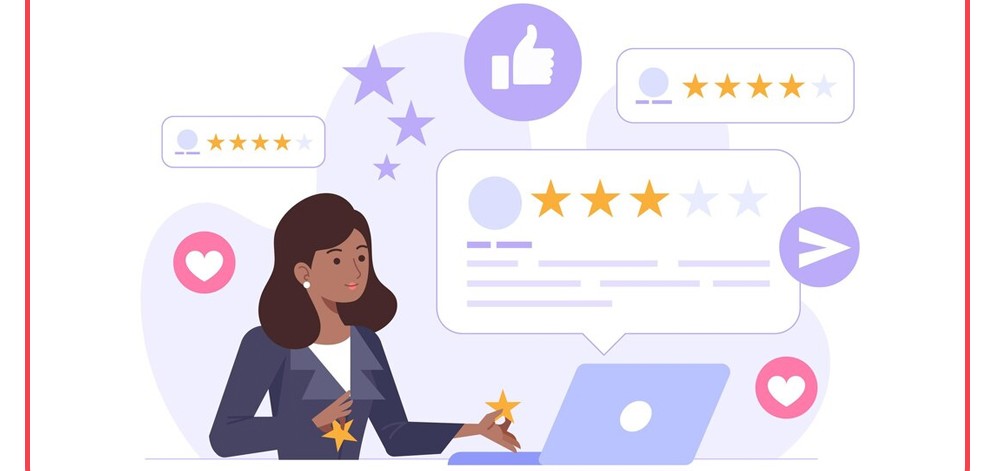
Responding to Positive Reviews
Do not just say thank you. Reinforce the details that will help future clients.
Generic response:
Thank you for your review!
Better response:
Thank you for sharing your experience. We are so glad we could help you through the appeal process after your initial denial. Cases involving fibromyalgia can be complex, but with the right medical documentation and preparation, they are absolutely winnable. We are thrilled you were approved and wish you the best.
This response both thanks the client and reinforces details that will help future clients with similar conditions see your firm as a good fit.
Responding to Negative Reviews
Negative reviews happen. How you respond matters more than the review itself.
Guidelines for responding:
· Never argue or get defensive
· Acknowledge their frustration
· Offer to resolve the issue privately
Poor response:
This is not accurate. We returned your calls within 24 hours.
Better response:
We are sorry to hear you had this experience. Communication is very important to us, and we want to make sure we understand what happened. Please reach out to us directly at [phone number] so we can discuss this and see how we can improve.
This response shows potential clients that you take feedback seriously and are willing to address problems.
Why Specificity Matters More Than Volume
Many firms focus on accumulating as many reviews as possible. While having a substantial number of reviews is helpful for establishing credibility, in SSD, one highly specific testimonial can be worth more than ten generic ones.
Here is why:
A potential client with PTSD is not going to read 200 reviews. They are going to scan for a review from someone with PTSD. When they find it, and it describes their exact concerns and how your firm addressed them, they will call you.
Your goal should be to have testimonials that cover:
· The most common conditions you handle
· Different stages of the process, from initial applications to appeals
· Different client concerns, such as communication, timelines, and outcomes
Building Trust Through Authentic Social Proof
In SSD law, social proof is about more than reputation management. It is about showing potential clients that people like them have successfully navigated this difficult process with your help.
Generic five-star reviews do not provide the reassurance these clients need. Specific, detailed testimonials that address their fears, describe the process, and validate their emotional experience are what convert leads into cases.
By asking the right questions, collecting reviews at strategic moments, and featuring your best testimonials prominently, you can build a repository of social proof that genuinely helps potential clients make confident decisions.
At DL Marketing, we have spent over 15 years helping SSD firms develop marketing strategies that build trust and drive conversions. We understand what social proof works in this space because we have seen what resonates with the clients who need your services most.
If you are ready to strengthen your social proof strategy and improve your conversion rates, contact us today.


 Home
Home